
Table of Contents

I have logged countless hours spinning reels across hundreds of online slots, and the provider behind the game often tells me more about what to expect than the theme itself. Knowing slot providers changes you from a casual player into an informed one who recognizes where the real value is. I want to pass on what I have discovered about these creative powerhouses so you can make smarter choices. Each studio adds a distinct fingerprint to its games, from mathematical models to bonus design philosophy. Let me take you through everything that matters when you look beyond the shiny graphics and start checking the developer label on a slot.
Extra Features and The Way Providers Set Apart Their Games
Free spins rounds are the foundation of slot bonus features, but the method different providers apply them varies widely. Some studios, like NetEnt, give me a set number of spins with a fixed multiplier and maybe an expanding symbol. Others, particularly the high-volatility specialists, create multi-layered free spin features with gathering mechanics, increasing multipliers, and re-trigger possibilities that can prolong the bonus endlessly. I closely watch to how a provider arranges their free spins because this feature constitutes the greater part of a slot’s fun factor and reward potential.
The scatter symbol triggers free spins in most games, and the number required generally ranges from three to five across the reels. Some providers have their scatters appear teasingly often, dangling the bonus just out of reach, while others seem to forget they programmed scatter symbols at all. I have developed a general feel for trigger frequency across different providers through sheer repetition. Games where I regularly see two scatters land on a spin are inclined to provide bonus rounds more often than those where scatters feel like rare events.
Wild icons and multiplier wilds introduce another layer of provider differentiation. Regular wilds stand in for paying symbols to complete winning combinations, which is straightforward enough. But when a studio adds multiplier wilds that multiply by two, triple, or even boost wins by ten times or more, the whole dynamic shifts. I appreciate games where multiplier wilds can combine during free spins, because the multiplying effect produces genuinely thrilling payout spikes. Nolimit City and Push Gaming do this exceptionally well, though their games require patience during the typically tough base game leading up to those moments.
Progressive Prizes and Set Jackpot Models
Progressive jackpots tie multiple machines or entire networks to gather a portion of every wager into a mounting jackpot that one fortunate player eventually claims. Developers such as Microgaming established their early reputations on progressives, with Mega Moolah becoming legendary for creating millionaires. I understand that a small percentage of every bet feeds the jackpot pool when I try a progressive slot, which means the base game RTP is typically lower than a comparable non-progressive game. This exchange only is logical if I prize the lottery-style opportunity at the big prize.
Fixed jackpot mechanics, such as the Hold and Win system I talked about previously, present set maximum prizes rather than pooled contributions. These jackpots seem more attainable because they operate inside of the game’s own mathematical structure as opposed to demanding contributions from thousands of other users. Developers like Playson and Pragmatic Play have dedicated substantially in fixed jackpot games, and I usually choose them for my regular gaming. The clarity of being aware of precisely what a jackpot is paying, rather than observing a number tick up, fits more with how I prefer to manage my gaming time.
How I Judge a New Provider Beforehand Playing
I go through a quick checklist ahead of depositing real money when I come across a slot from a provider I haven’t played previously. First, I look for the provider’s licensing information and audit certifications. Trustworthy studios prominently display their regulatory credentials and third-party auditor badges. The lack of this information does not necessarily indicate a provider is untrustworthy, but it leads me toward demo play and instead of real-money deposits. The UK market is well-regulated, and providers aiming for UK players must fulfill strict standards, which provides me a starting point of confidence.
I next load the demo version and spend at least fifty spins simply studying the game’s rhythm. I count how many spins generate any win at all, observe the approximate size of base game wins in relation to my stake, and monitor how often bonus symbols or scatters occur. This practical sampling reveals me more about the game than any published RTP figure ever could. I also check whether the provider provides a bonus buy option and at what cost multiplier, because this availability counts for my chosen style of play when time is limited.
Community research forms the concluding step of my evaluation process. I check what other players are discussing on forums and review sites, giving special notice to complaints about withdrawal delays or frequent technical issues. No provider is perfect, but signs of consistent problems across various players raise concerns. I also search for gameplay videos on streaming platforms because watching a different user’s hundred-spin session shows the game’s personality far better than a static review page ever could. This three-step process requires maybe fifteen minutes and has spared me from countless poor deposits on games that simply were not designed for how I like to play.
Mobile Performance and Software Quality
The technical quality of a provider’s mobile setup matters enormously because I play the great majority of my slots on my phone. Some studios, like ELK Studios and NetEnt, build their games mobile-first, making sure that buttons are properly sized for thumb reach and that battery drain stays reasonable during prolonged sessions. Others seem to port their desktop games to mobile as an afterthought, ending up in cramped interfaces and laggy performance. I always test a new provider’s game on mobile before gaming on desktop, because a poor mobile experience disqualifies the game from my regular rotation no matter how good the maths might be.
Performance consistency during bonus features is one more litmus test I apply ruthlessly. Nothing infuriates me more than triggering a hard-earned free spins round only for the game to crash mid-feature, making me uncertain whether my session state was properly saved. Top-tier providers utilize robust state-saving that restores bonus rounds exactly where they left off after a connection interruption. Inferior providers sometimes discard your bonus entirely, and I have come to know to avoid those studios completely. The ability to gracefully handle real-world network conditions separates professional slot developers from amateurs chasing quick profits.
Stake Limits, Max Wins, and Money Handling
The bet range a provider implements on a slot tells me a lot about who they think will play it. Games with minimum bets starting at 10p attract casual players and those seeking prolonged safe play. Slots where the starting point is 50p or £1 signal higher volatility expectations and larger bankroll requirements. I always examine the bet range before loading a game because it immediately tells me whether the provider designed this slot for my budget tier. There is no point in enjoying a slot’s design if the minimum spin is above I am comfortable wagering per round.
Maximum win potential has become a advertising battle among slot providers, with figures now routinely advertised in the tens of thousands of times your stake. I treat these numbers as theoretical ceilings, not realistic expectations. A 50,000x max win sounds spectacular in a press release, but the probability of actually reaching it is astronomically small. What counts more for me is the distribution of wins within the more achievable range. Some providers concentrate payouts in rare mega-wins, while others provide improved odds at hitting solid 500x to 1,000x outcomes during bonus rounds.
I structure my bankroll management around a provider’s volatility profile rather than pursuing the headline max win figure. For high volatility games from providers like Nolimit City or Push Gaming, I budget at least 200 times my chosen bet size to give myself a decent shot at reaching a bonus feature. For medium volatility slots from NetEnt or Red Tiger, I can work with 100 times my bet and still anticipate an engaging session. These are not certainties, just guidelines I have developed through prolonged play, and they have significantly improved how long my deposits last.
Wager Management and Session Duration
Choosing the right stake size for a provider’s game requires truthful self-assessment about what I seek from the session. If I am playing a high-volatility Pragmatic Play slot with a 5,000x max win, betting 20p means I am playing for entertainment with a theoretical ceiling of £1,000, which is entirely fine. Betting £2 on the same game means I am gambling significantly more per hour for a shot at £10,000. The provider’s maths do not alter with my bet size, but my financial exposure undoubtedly does, and I have learned to scale my stakes to match both the volatility and my personal loss tolerance.
Gaming session length is another factor that game studios unintentionally shape through their game design. Games with frequent payouts and stable returns inevitably extend my playing time because minor payouts recycle back into my balance. High-volatility slots consume my budget faster during cold streaks, so I either lower my bet size on these games or settle for shorter sessions as part of the gaming routine. I have discovered that adjusting my bet size to the target session length I want, given the provider’s standard maths profile, leads to far more satisfying outcomes than choosing a fixed number like £1 and wishing for the best.
Return to Player, Kolísavost, and Co skutečně znamenají
Procento návratnosti hráči is the most quoted statistic in online slots, and also one of the most misunderstood. A slot with 96 percent RTP means that over millions of spins across all players, the game returns roughly 96 pounds for every 100 pounds wagered. This tells me nothing about what will happen during my hour-long session. I treat RTP as a long-term fairness indicator rather than a short-term prediction tool. A 96 percent game can drain my balance in twenty minutes or double it, and both outcomes are perfectly consistent with the stated RTP.
What concerns me more practically is that providers increasingly offer their games in multiple RTP configurations. The same slot might run at 94, 95, or 96 percent depending on which casino operator hosts it and which market regulations apply. I always check the game rules screen or the provider’s official documentation before committing real money. A few percentage points difference might sound trivial, but over the course of a year’s play, the effect on my returns compounds dramatically. This operator-selectable RTP practice is entirely legal and widely used, so I make checking it a non-negotiable habit.
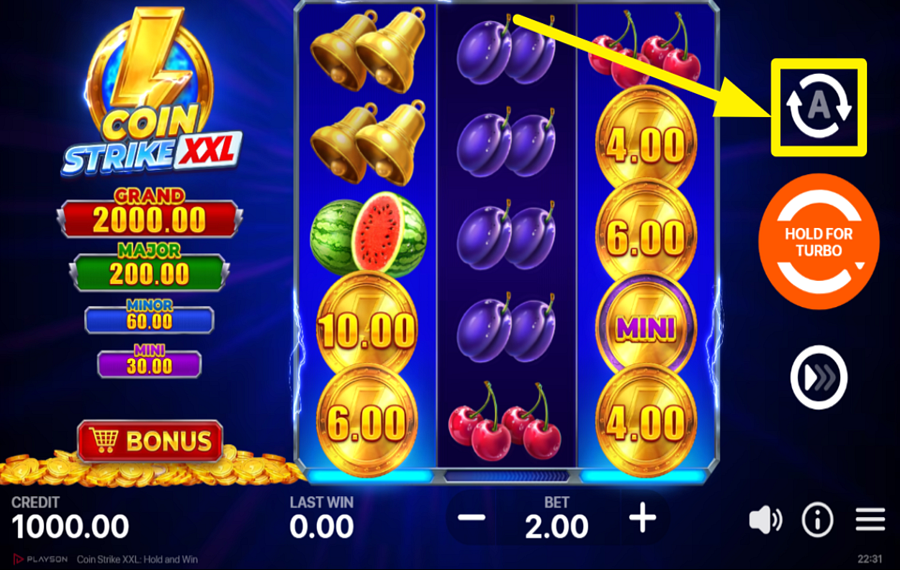
Volatility, also called variance, defines how the game distributes its payouts over time. Low volatility games pepper me with frequent small wins that sustain the balance ticking along, ideal for extended sessions or clearing wagering requirements. High volatility slots can go stone-cold for long periods before providing a single massive payout that makes the wait worthwhile. I align volatility to my session goals rather than blindly seeking the biggest possible multipliers. When I have got an hour and a limited budget, a medium-volatility game works better for me than a high-volatility monster that may never wake up during my available window.
Hit Frequency and Session Planning
Hit frequency is the less-mentioned sibling of RTP and volatility, and I hope more providers released this number openly. It reveals to me what percentage of spins will yield at least one winning combination, regardless of size. A game with 25 percent hit frequency means roughly one in four spins yields something, even if that something is tiny. When I understand this number, I can estimate how long a given bankroll might hold out based on my bet size and how long I can endure watching my balance decline between wins. Games with low hit frequency demand larger bankrolls and stronger psychological fortitude.
I schedule my playing sessions around these three linked variables for every new slot I attempt. First, I review the RTP and observe whether the casino is running a modified configuration. Second, I evaluate the volatility either from the provider’s available information or from community gameplay data. Third, I estimate the hit frequency by playing a few dozen demo spins and counting how many yield any win at all. This ten-minute evaluation indicates me whether the game matches my current mood, budget, and time constraints. Omitting this step has cost me money more times than I care to admit.
The Key Studios and Their House Styles
The iGaming sector has consolidated around a few major developers, and I aim to give you a straightforward look of the names you will see most often. These are not merely brands on a loading screen; they embody distinct approaches about what a slot should be. I have played at least twenty titles from each of the top studios, and patterns become clear quickly once you focus. Recognizing their house styles will save you from blindly trying games that simply do not match how you enjoy playing.
NetEnt is still one of the most recognisable names in the industry, and for good reason. Their slots generally offer medium volatility with polished visuals and soundtrack design that appears high-quality. Games like Starburst and Gonzo’s Quest marked entire eras of online slots. I regard NetEnt titles very reliable when I need a balanced session where bonus features seem achievable rather than mythical. Their maths models rarely punish you excessively during base game play, which positions them as an excellent starting point for newer players developing their skills.
Pragmatic Play has become the volume powerhouse of the industry, putting out games at a pace that frankly astonishes me. Their portfolio spans from medium to very high volatility, with the Hold and Win mechanic appearing frequently across their catalogue. I look for crisp mobile performance, aggressive bonus buy options, and maximum win potentials that often reach into five-figure multiples when I load a Pragmatic slot. Their games reward patience but demand a bankroll that can withstand the swings typical to their chosen volatility profile.
Trailblazers and Niche Specialists
Several studios specialise in expanding boundaries in ways that entirely change how I think about slots. Nolimit City deserves special mention here because they have established their entire reputation on ultra-high volatility and decidedly unsettling themes. Their xNudge, xWays, and xSplit mechanics create combinatorial chaos that can generate wins exceeding 30,000 times your stake. I approach their games with a specific budget and a specific mindset, aware that I might see absolutely nothing for fifty spins and then watch the reels explode.
Big Time Gaming fakticky vynalezl Megaways mechaniku, který nyní poskytuje na licenci mnoha dalších poskytovatelů. Systém proměnlivé výšky válců generuje až 117,649 způsobů k výhře na jediné otočení a princip kaskádových válců spojuje výhry do vzrušujících sekvencí. Když vidím logo Megaways na automatu, jsem si jistý, že mám nepředvídatelné rozložení válců, kde každé otočení může teoreticky doručit jiný počet výherních cest. Systém pracuje výborně, ale vždy ověřuji, zda implementace pochází přímo od Big Time Gaming nebo od nabyvatele licence, protože diference v kvalitě může být výrazný.
ELK Studios přináší mobilně-first designovou filozofii a propracované sázkové strategie vestavěné přímo do svých her. Jejich X-iter funkce mi umožňuje skočit přímo do různých herních režimů s proměnlivými cenovými multiplikátory, což považuji jako výhodné, když mám na mysli specifickou strategii lovu bonusů. Jejich matematické modely mají tendenci premiovat disciplinovanou, trpělivou hru spíše než riskantní přeskakování sázek. Oceňuji, že přemýšlí o tom, jak skuteční lidé řídí se svými session rozpočty, spíše než jen honí největší teoretická čísla pro marketingové screenshoty.
Why the Developer Is More Important Than the Theme
I went after games centered around movies, mythology, or anything featuring a dragon on the cover when I first started playing online slots. It required about six months of inconsistent results to figure out I was doing it backwards. The provider defines the mathematical backbone of every game: the return to player percentage, the volatility profile, and how often bonus features actually trigger. A Norse mythology slot from one studio can play completely differently from another studio’s Viking adventure. I now treat the developer logo as my primary filter.
The engine underneath the artwork shapes your entire session experience. Some providers build games that deliver frequent small wins to keep your balance ticking over, while others create high-volatility beasts where you might spin dead for twenty minutes before a bonus round lands. Knowing which studio made a slot helps me predict the rhythm of play before I wager a single penny. I find this particularly useful when I want a relaxing evening versus when I am hunting a big multiplier.
Certification and verification also go through the provider, not the game title. Established studios present their maths models to autonomous testing houses like eCOGRA or iTech Labs. I feel more confident depositing real money when I identify a provider with a solid track record of fair, audited games. The theme is the shop window, but the provider is the entire factory behind it, and I would always rather know the factory is well-built before I step inside.
The Statistical Fingerprint
Every provider has a mathematical fingerprint that runs through its portfolio like a signature. Pragmatic Play tends toward high volatility with 96-percent-ish RTP configurations and bonus buy options. Playtech often builds games with networked progressive jackpots layered onto solid base games. I have learned to spot these patterns because they repeat across dozens of titles. Once you recognise a provider’s comfort zone with volatility, you can shortlist their games that match your personal risk appetite without needing to test every single one blindly.
The fingerprint extends to hit frequency rates, which almost no casino advertises but which I feel intensely during play. Some developers engineer their slots to land winning combinations on thirty percent of spins or higher, while others let you ride long losing streaks to fund enormous potential payouts. The difference between a NetEnt game and a Nolimit City game on this metric alone is night and day. I pay attention to how each studio paces its action because it directly affects my enjoyment and session duration on a fixed budget.
FAQ
What is the way to determine which provider created a specific slot game?
Almost every online slot shows the developer logo on the loading screen, and the information is always available in the game’s help or info menu. I tap the menu button, commonly represented by three lines or a gear icon, and search for an “About” or “Game Info” section that shows the provider name and licensing details. Casino lobbies also regularly have a filter by provider option, which makes browsing a studio’s entire portfolio easy and direct.
Does the slot provider impact my chances of winning?
Yes, but indirectly via the mathematical model the provider builds into the game. Each provider establishes their own RTP ranges, volatility profiles, and hit frequency targets. These parameters directly influence your session experience and long-term expected returns. Two slots with matching themes but different providers can behave radically differently. I consistently favor the provider’s reputation for fair, certified maths over surface-level factors like graphics or theme when performing my game selection.
Is it safe to trust smaller or newer slot providers?

Smaller providers can produce excellent games, but I exercise stricter scrutiny before depositing. I confirm their licensing jurisdiction, look for independent testing certification, and devote significant time in demo mode monitoring the game’s behaviour. Newer studios sometimes bring fresh approaches in ways the established players do not, which is stimulating. The key is confirming they meet the same regulatory standards as the big names rather than assuming every provider with a flashy website works legitimately.
Why do matching slot games feature different RTPs at different casinos?
Many providers develop their games with configurable RTP settings that casino operators can choose when integrating the slot. A game might be offered at 94, 95, or 96 percent RTP configurations, and the casino chooses which version to offer. This practice is fully legal and disclosed in the game rules. I always confirm the specific RTP displayed in the information panel at the casino where I am playing, because it can deviate meaningfully from the maximum the provider markets on their own website.
Comprehending Game Mechanics Across Providers
Slot mechanics have developed far beyond the simple three-reel fruit machines that began this entire industry, and different providers have staked their reputations on specific mechanical innovations. I find it helpful to group games by their core engine rather than their visual theme, because the engine determines how wins form and how bonus features behave. Once you understand the major mechanical categories, you can look at any new release and immediately discern what kind of experience awaits. This knowledge has saved me from countless disappointing sessions where the theme offered excitement but the mechanics produced frustration.
The classic payline system still dominates many games, where winning combinations must land on fixed lines running left to right across the reels. Providers like Play’n GO craft brilliant games on this traditional framework, demonstrating that you do not need a revolutionary engine to create a compelling slot. I actually lean toward payline-based games when I want to grasp exactly how much each spin costs and where my wins are coming from. The transparency of seeing lit lines across the reels provides me a clearer picture of the game’s mathematics than the sometimes opaque ways-to-win calculations.
Cluster payout mechanics, made famous by NetEnt’s Aloha and mastered by Play’n GO’s Reactoonz series, do away with paylines completely and rather pay out for groups of adjacent matching symbols. This system changes how I judge every spin because position is important far more than sequence. A cluster of five symbols nestled together gives a payout no matter where they are located on the grid. I discover these games tend to build momentum differently, often using cascading wins where successful clusters are removed and new symbols descend to in some cases create chain reactions.
Hold & Win, Megaways, and Bonus Purchase Systems
The Hold and Win mechanic has become so pervasive across multiple providers that it virtually forms its own sub-genre. Games activate a respin feature where special bonus symbols remain locked, and you get three respins that restart whenever a new symbol appears. The goal is covering the entire grid or accumulating enough value symbols to reach substantial multipliers. I have come across brilliant implementations from Playson, where the mechanic seems tight and rewarding, and lazy implementations where the feature kicks in so rarely it becomes frustrating. The provider’s skill at balancing trigger frequency with payout potential makes an enormous difference here.
Megaways slots fundamentally change the spatial mathematics of every spin by altering the number of symbols on each reel https://coinstrikedemo.eu. A single spin may offer anywhere from a few hundred to over one hundred thousand ways to win according to the random reel heights. This variability produces a sense that anything can happen on any spin, which I find thrilling when paired with cascading wins. But I have also observed that Megaways games are prone toward high volatility regardless of the provider, because the massive way counts must be offset by lower hit frequencies to maintain viable maths models.
The bonus buy feature, made available by many providers including Pragmatic Play and Nolimit City, lets me pay a fixed multiplier of my stake to jump directly into the bonus round rather than waiting for it to trigger organically. This costs between 40x to over 100x the base bet based on the game’s maths. I use this prudently because buying bonuses changes the effective RTP of my session significantly. Some providers include bonus buy payouts in their stated RTP calculations, while others do not, and this lack of standardisation frustrates me. Always check whether the quoted RTP applies to base game play or includes bought bonus contributions.
